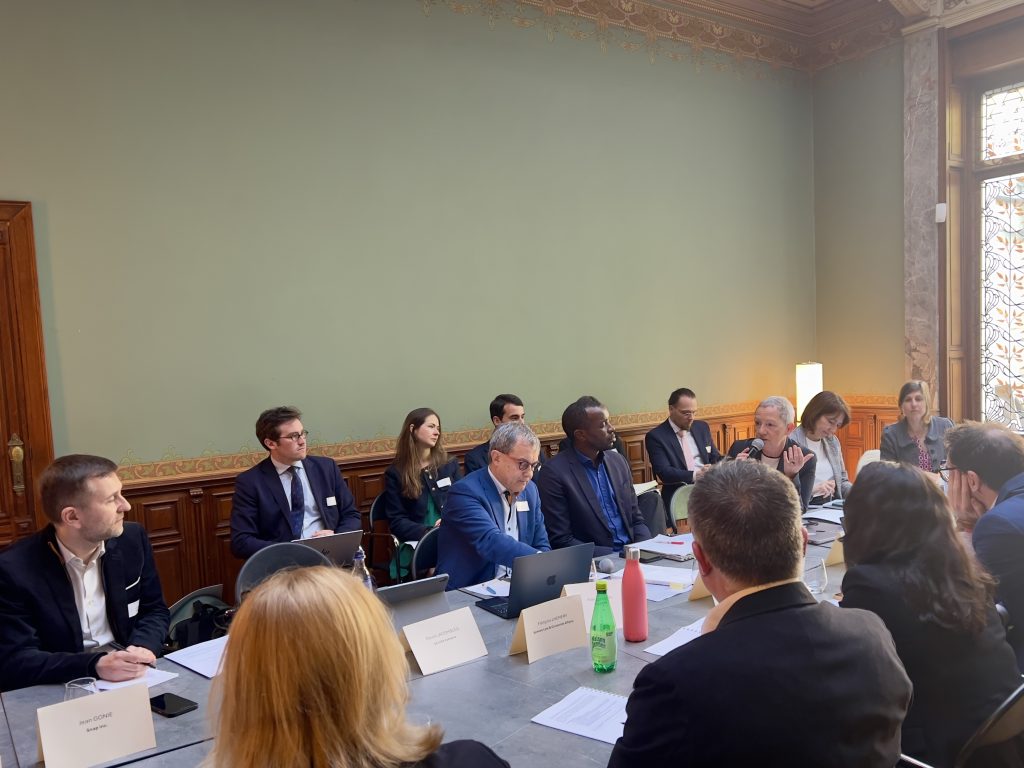
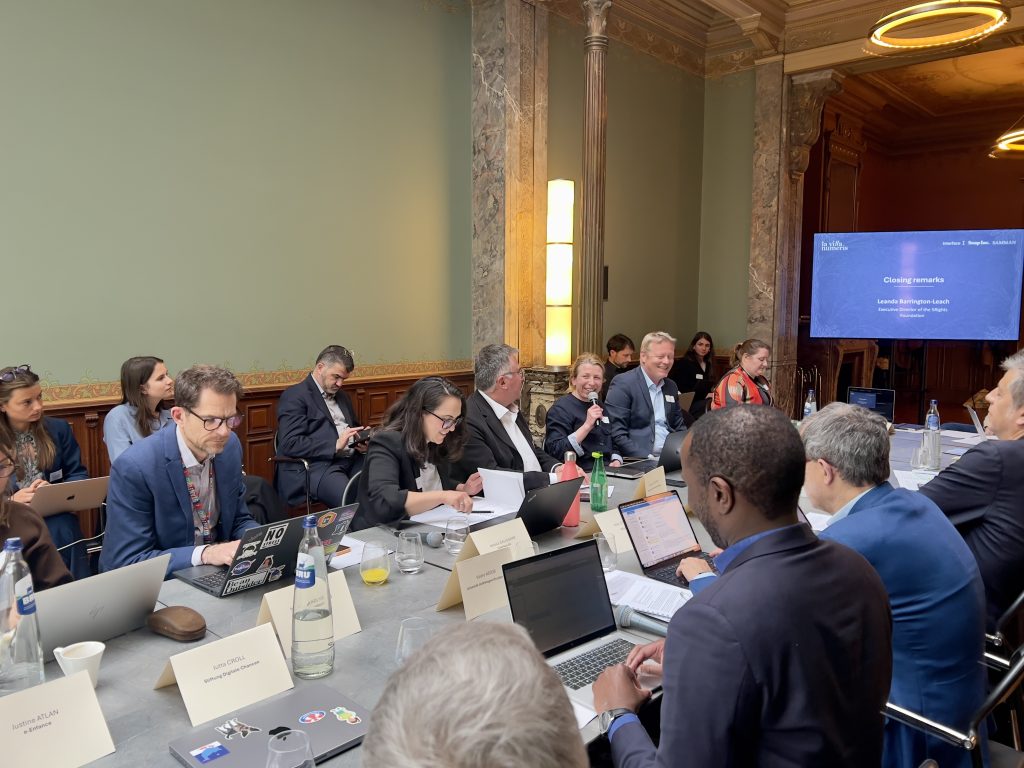
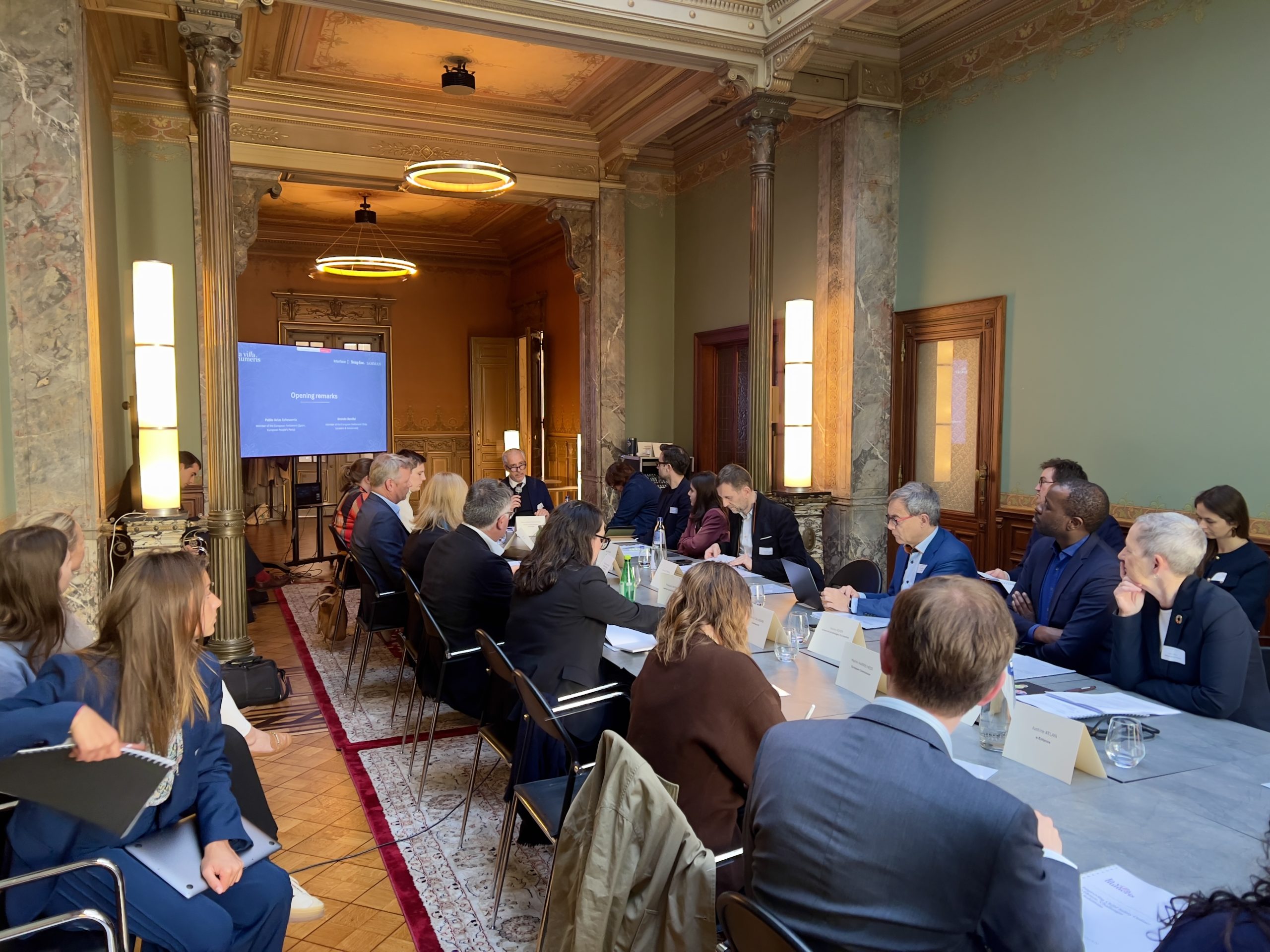
On April 15th, a multi-stakeholder roundtable convened in Brussels under the joint auspices of La villa numeris, Interface EU, Snap Inc. and SAMMAN Law firm to hold an evidence-based discussion on how to effectively improve child safety online.
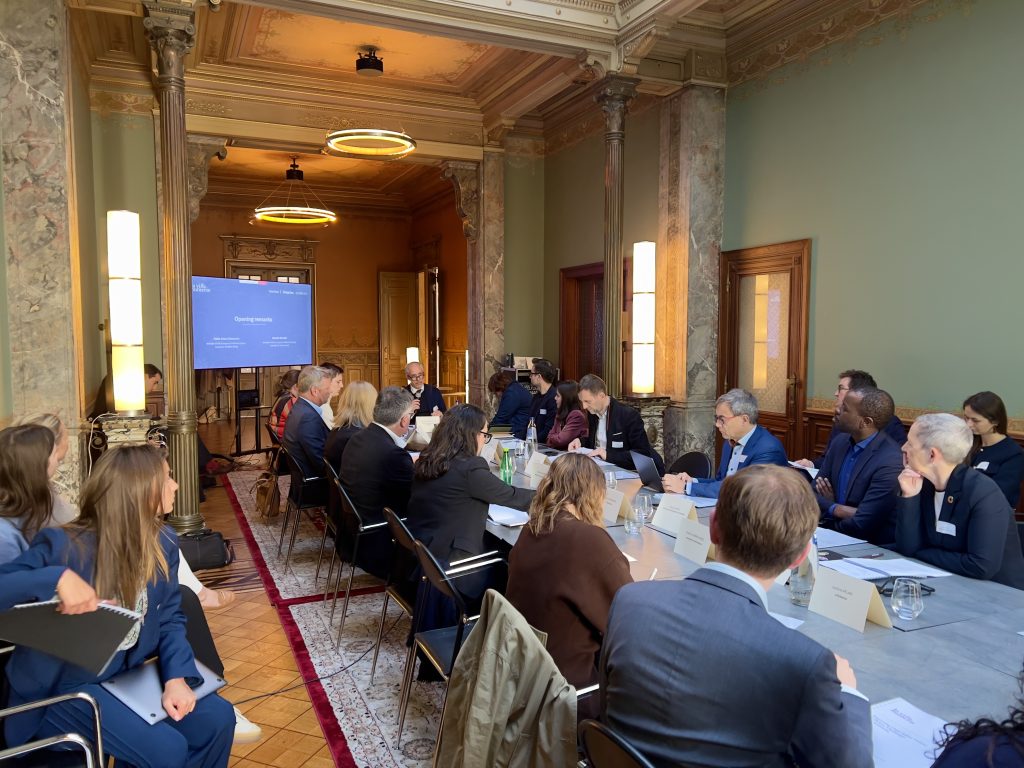
Speakers representing academia, the European Parliament, the European Commission, EU Member States, child protection NGOs, parents’ associations, think tanks and online platforms gathered to debate the adequacy of age verification mechanisms, the risks embedded in platform design and algorithms, and the overarching tension between child protection, freedom of expression, privacy, parental responsibility and the risk of EU-level regulatory fragmentation. Australia’s recently enacted social media ban served as an entry point for the discussion.
Participants rejected simplistic narratives that frame children’s online safety as a question of access only. The central observation to emerge from the discussion is that the problem is not children’s access to technology, but the quality and design of the technology they are accessing. Social media minimum-age bans are therefore not the right approach: safety-by-design and age-appropriate design should be at the core of policy responses.
For age-appropriate design to function effectively, participants agreed that age assurance is a prerequisite, but that it must be privacy-preserving and proportionate. Alongside technical safeguards, improving child safety online requires sustained investment in digital literacy, parental involvement and education.
These discussions carried direct relevance for the EU policy agenda as the implementation phase of the DSA means active compliance monitoring by the Commission. Concurrently, the work of the Expert panel on social media will support the Commission’s assessment in determining the remaining policy gaps that need further action.
Above all, minor protection should remain at the top of EU policymarkers’ priorities, ensuring their rights, voices and digital futures are preserved. SAMMAN will be closely following EU and French developments on this file.